

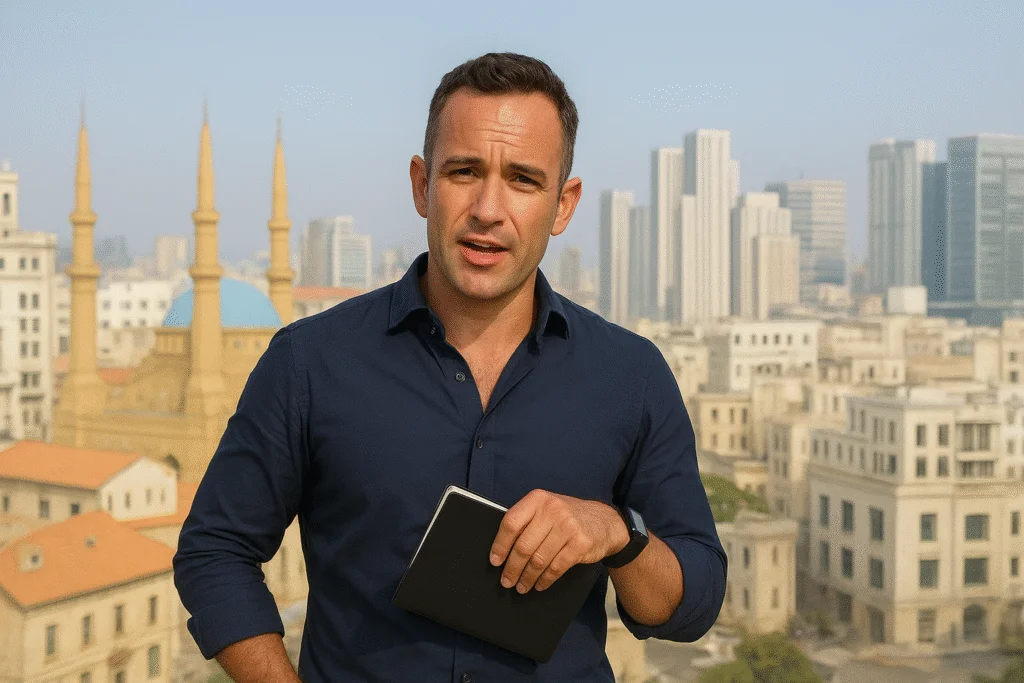
In today’s fast-moving news environment, audiences rely on experienced journalists to separate facts from speculation and provide clear insights into global events. Among the most respected names in international reporting is Hugo Bachega, a journalist widely recognized for his work covering some of the world’s most important political developments, conflicts, and humanitarian crises. Through years of dedication, professionalism, and frontline reporting, he has built a reputation for delivering accurate and balanced news to millions of viewers around the world.
The role of international correspondents has become increasingly important as global events affect people across borders and continents. Hugo Bachega’s reporting stands out because he combines factual journalism with a strong focus on the human stories behind major headlines. Rather than simply reporting what happened, he helps audiences understand why events matter and how they impact ordinary people. This comprehensive guide explores his background, career achievements, reporting style, notable assignments, and lasting influence on modern journalism, offering a detailed look at the journalist behind many of today’s most important international news stories.
Who Is Hugo Bachega?
Hugo Bachega is a respected journalist and international correspondent known primarily for his work with BBC News. Over the years, he has become a familiar face to viewers seeking reliable coverage of global affairs, political developments, and international conflicts. His reporting often places him at the center of significant world events, where he provides firsthand accounts and detailed analysis for audiences trying to understand rapidly evolving situations. Through his commitment to factual reporting and professional integrity, he has earned credibility among viewers, fellow journalists, and media professionals alike.
What makes Hugo Bachega particularly notable is his ability to explain complex geopolitical issues in language that is accessible to a broad audience. Whether discussing diplomatic negotiations, humanitarian emergencies, or military conflicts, he presents information clearly without oversimplifying the facts. This balance between depth and accessibility has helped him connect with viewers from different backgrounds and levels of understanding. His reporting demonstrates the essential role journalists play in helping societies stay informed about issues that shape the modern world.
Quick Facts About Hugo Bachega
| Detail | Information |
| Profession | Journalist |
| Known For | International Reporting |
| Organization | BBC News |
| Specialty | Foreign Correspondence |
| Coverage Areas | Politics, Conflicts, Humanitarian Issues |
| Nationality | Brazilian |
Key Highlights
- International journalist
- BBC correspondent
- Conflict reporting expert
- Political affairs coverage
- Global news analysis
Early Life and Educational Background
Every successful journalist develops a unique perspective shaped by personal experiences, cultural influences, and educational opportunities. Hugo Bachega’s journey began in Brazil, a country known for its rich cultural diversity and dynamic political environment. Growing up in such a setting likely exposed him to a wide range of social, economic, and political issues, helping him develop an interest in understanding how societies function and how major events affect people’s lives. These early experiences contributed to the curiosity and analytical thinking that would later define his journalism career.
Although much of his private life remains out of the public spotlight, his professional achievements reflect a strong educational foundation and a commitment to lifelong learning. Journalism requires more than simply gathering information; it demands critical thinking, communication skills, cultural awareness, and the ability to evaluate complex situations objectively. These qualities are evident throughout Bachega’s work. His reporting consistently demonstrates a deep understanding of international affairs and a dedication to presenting accurate, well-researched information. Such skills do not emerge overnight but are developed through years of study, observation, and professional experience.
Influences That Shaped His Career
- Global affairs
- Political journalism
- International relations
- Public-interest reporting
- Cross-cultural communication
How Hugo Bachega Started His Journalism Career
Like many accomplished reporters, Hugo Bachega began his career by building a strong foundation in journalism fundamentals. Before gaining international recognition, he spent years developing essential reporting skills, including research, interviewing, fact-checking, and news writing. These early stages are often the most important for journalists because they establish the habits and standards that shape their future careers. Learning how to verify information, ask meaningful questions, and communicate clearly became critical components of his professional development.
Journalism is a demanding profession that requires persistence and adaptability. Reporters frequently work under tight deadlines while managing large amounts of information and navigating unpredictable situations. Bachega’s progression through the industry demonstrates his ability to thrive in these challenging environments. As he gained experience, he took on increasingly complex assignments that required deeper analysis and broader knowledge of international issues. These opportunities allowed him to refine his reporting style and prepare for the global role he would eventually assume as a BBC correspondent.
Essential Skills Developed Early
- Investigative research
- News reporting
- Source verification
- Interviewing techniques
- Breaking news coverage
Joining BBC News and Expanding His Global Reach
One of the defining moments in Hugo Bachega’s career was joining BBC News, one of the most respected and influential news organizations in the world. The BBC has a long-standing reputation for editorial independence, international coverage, and high journalistic standards. Becoming part of such an institution provided Bachega with opportunities to report on major global events and reach audiences across multiple continents. It also placed him in environments where accuracy, fairness, and professionalism are expected at the highest level.
Working for BBC News significantly expanded his role as an international correspondent. His assignments have taken him to regions experiencing political instability, armed conflicts, and humanitarian crises. These responsibilities require not only journalistic expertise but also courage, resilience, and adaptability. Covering stories from the field often involves difficult conditions, logistical challenges, and rapidly changing circumstances. Through these experiences, Bachega has demonstrated a consistent commitment to informing the public while maintaining the standards expected of one of the world’s leading news organizations.
Responsibilities at BBC News
- Live reporting
- International coverage
- Political analysis
- Interviewing key figures
- Breaking news updates
Reporting From Conflict Zones and Crisis Areas
One aspect of Hugo Bachega’s career that has attracted significant attention is his work in conflict zones and crisis regions. Reporting from areas affected by war or political instability requires a unique combination of courage, preparation, and professional judgment. Journalists operating in these environments often face security risks while striving to deliver accurate and timely information. Their work helps audiences understand not only the strategic and political dimensions of conflicts but also the human consequences experienced by local populations.
Bachega’s reporting frequently highlights the experiences of civilians living through difficult circumstances. While military developments and political decisions often dominate headlines, he recognizes that the human impact of these events deserves equal attention. By sharing personal stories and firsthand observations, he provides viewers with a deeper understanding of how conflicts affect families, communities, and entire societies. This human-centered approach adds depth to his reporting and reinforces the importance of journalism in documenting history as it unfolds.
Challenges of Conflict Reporting
- Personal safety concerns
- Limited access to information
- Rapidly changing events
- Emotional pressure
- Complex political environments
Major International Stories Covered by Hugo Bachega
Throughout his career, Hugo Bachega has reported on a wide range of significant international events. His assignments have included political crises, diplomatic developments, military conflicts, and humanitarian emergencies that attracted global attention. These stories often involve multiple stakeholders, competing narratives, and rapidly evolving situations, making accurate reporting both challenging and essential. His ability to provide clear explanations and contextual analysis has helped audiences better understand these complex developments.
Covering major international stories requires extensive preparation and an understanding of historical, cultural, and political factors. Rather than focusing solely on immediate events, Bachega often places developments within a broader context, helping viewers appreciate the deeper forces driving current affairs. This approach enhances public understanding and allows audiences to engage more meaningfully with global issues. His reporting demonstrates the value of experienced correspondents who can connect breaking news with long-term trends and underlying realities.
Common Areas of Coverage
- International politics
- Diplomatic relations
- Humanitarian crises
- Armed conflicts
- Global security issues
What Makes Hugo Bachega’s Reporting Style Unique?
In a media landscape crowded with information, journalists must earn audience trust through consistency, accuracy, and professionalism. Hugo Bachega has developed a reporting style that reflects these qualities. His coverage is characterized by calm delivery, factual analysis, and a commitment to objectivity. Rather than relying on sensationalism, he focuses on providing verified information and meaningful context, allowing viewers to form their own informed opinions about important issues.
Another defining feature of his reporting is his ability to communicate complex subjects in a clear and understandable manner. International conflicts, political negotiations, and economic developments can often appear confusing to general audiences. Bachega addresses this challenge by breaking down complicated topics into accessible explanations without sacrificing accuracy. This skill enhances audience engagement and contributes to a better-informed public. It is one of the reasons his work continues to resonate with viewers seeking trustworthy news coverage.
Characteristics of His Journalism
- Balanced reporting
- Clear communication
- Strong analysis
- Fact-based storytelling
- Human-centered perspectives
The Importance of International Correspondents in Modern Journalism
International correspondents play a vital role in helping people understand events occurring beyond their national borders. In an increasingly interconnected world, developments in one region can have significant consequences elsewhere. Journalists like Hugo Bachega act as bridges between distant events and global audiences, providing insights that would otherwise be difficult to obtain. Their presence on the ground allows them to gather firsthand information, verify facts, and present perspectives often missing from secondary reports.
The value of international journalism extends beyond breaking news coverage. Correspondents contribute to public understanding by explaining historical context, cultural dynamics, and political complexities. Their reporting helps audiences appreciate the broader significance of world events and encourages informed discussions about global challenges. In an era where misinformation can spread rapidly online, the work of experienced foreign correspondents remains more important than ever.
Why International Correspondents Matter
- Promote informed citizenship
- Provide firsthand reporting
- Verify information
- Explain global issues
- Increase public awareness
Lessons Future Journalists Can Learn From Hugo Bachega
Aspiring journalists can learn many valuable lessons from Hugo Bachega’s career. One of the most important is the value of accuracy. In a competitive media environment where speed often receives significant attention, maintaining factual integrity remains essential. Bachega’s work demonstrates that credibility is built through careful verification and responsible reporting. Audiences are more likely to trust journalists who prioritize truth over sensationalism.
Another lesson involves adaptability. Modern journalism requires professionals to navigate different cultures, technologies, and reporting environments. Bachega’s ability to work across diverse regions and cover a wide range of topics highlights the importance of flexibility and continuous learning. His career also emphasizes the significance of empathy in storytelling. Understanding the experiences of ordinary people helps journalists create meaningful reports that resonate with audiences while preserving the human dimension of major news events.
Key Professional Lessons
- Verify facts carefully.
- Remain objective.
- Continue learning.
- Adapt to change.
- Respect diverse perspectives.
- Prioritize public interest.
- Tell human stories.
Hugo Bachega’s Impact on Global Journalism
The influence of journalists extends beyond individual news reports. Through consistent and responsible reporting, they help shape public understanding of important issues and contribute to informed democratic societies. Hugo Bachega’s work reflects these broader contributions. By covering major international developments with professionalism and integrity, he has helped audiences navigate an increasingly complex information landscape. His reporting illustrates how journalism can promote awareness, understanding, and accountability.
As media consumption habits continue to evolve, the need for trusted reporters remains strong. Viewers often face an overwhelming amount of information from various sources, making credibility more valuable than ever. Bachega’s career serves as a reminder that quality journalism depends on accuracy, context, and ethical responsibility. His dedication to these principles has strengthened his reputation and reinforced the importance of professional reporting in modern society.
FAQs
Who is Hugo Bachega?
Hugo Bachega is a journalist and BBC correspondent known for international reporting and coverage of major global events.
What is Hugo Bachega known for?
He is recognized for reporting on conflicts, political developments, humanitarian crises, and international affairs.
Does Hugo Bachega work for the BBC?
Yes, he is widely known for his work as a correspondent for BBC News.
Why is Hugo Bachega respected in journalism?
He is respected for accurate reporting, professionalism, balanced analysis, and commitment to factual journalism.
What type of stories does Hugo Bachega cover?
His reporting includes international politics, diplomatic affairs, conflicts, humanitarian issues, and breaking global news.
Conclusion
Hugo Bachega has earned recognition as a trusted international journalist through years of dedicated reporting, professional integrity, and commitment to factual storytelling. From covering global conflicts to explaining complex political developments, he continues to help audiences understand the world with clarity and perspective. His career serves as an inspiring example of how responsible journalism can inform, educate, and connect people across borders. As international events continue to shape our future, the work of journalists like Hugo Bachega remains more valuable than ever.
